Terracotta Distressed Teacher PNG: A Guide to Stylish, Durable Designs
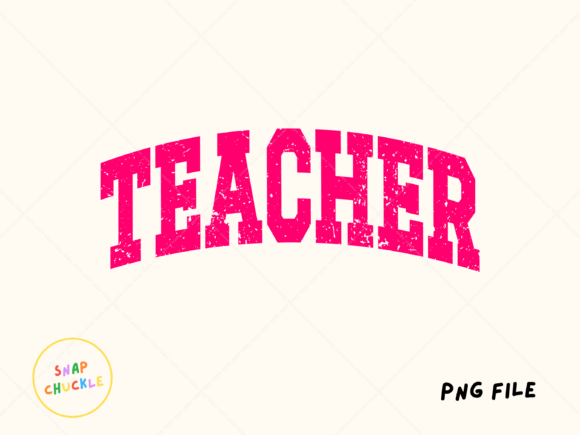
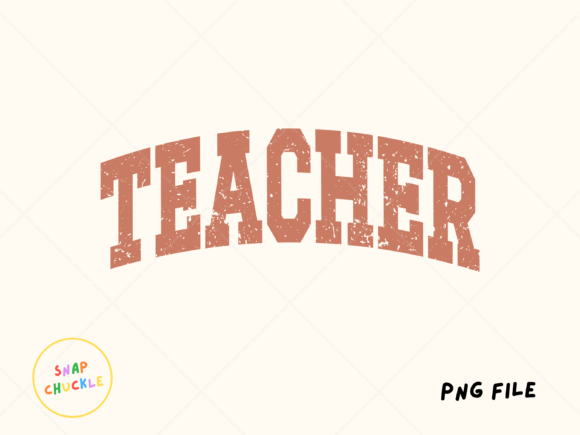
The Terracotta Distressed Teacher PNG has quickly become a favorite asset for educators and creators alike. It represents more than just a simple graphic; it is a design solution that balances vintage charm with modern clarity. When you look at this specific file, you are seeing a design intended for creating stylish and fun apparel for educators. The aesthetic is clean and trendy, making it versatile enough for everyday classroom wear, thoughtful teacher gifts, back-to-school outfits, and boutique-style creations.
However, acquiring the right digital asset is only half the battle. Many creators rush into printing without fully understanding the technical requirements or the artistic intent behind a distressed style. To ensure your final product looks professional rather than amateurish, it is essential to understand what makes this design work and how to apply it correctly. Let's explore the nuances of using this high-quality image effectively.
Understanding the Design Aesthetic
Why choose a terracotta color palette? Unlike standard black or white graphics, terracotta offers warmth and earthiness that resonates well in educational settings. It feels grounded and approachable. The "distressed" element adds character, suggesting a history of hard work and dedication rather than a sterile, mass-produced look. This This Teacher PNG design is perfect for creating stylish and fun apparel because it avoids the harshness of solid colors while maintaining legibility.
The design features a transparent background, which is critical for its versatility. This means you can place the graphic on any fabric color without worrying about unsightly white boxes surrounding your image. Whether you are designing a sweatshirt for a veteran teacher or a t-shirt for a student teacher, the transparency ensures the design integrates seamlessly with the garment.
Common Pitfalls in Digital Printing
Even with a high-quality source file like the Terracotta Distressed Teacher PNG, results can vary significantly based on how the file is handled. One of the most frequent mistakes involves resolution and scaling. Because this is a raster image (PNG), stretching it beyond its original dimensions will result in pixelation. If you attempt to print a small 500-pixel version on a large hoodie, the edges will appear jagged and blurry, ruining the "clean and trendy" look promised by the design.
Another oversight often occurs with color management. The term "terracotta" implies a specific shade of reddish-brown. On a computer screen, this might look vibrant, but printer inks and fabric dyes react differently. If you do not calibrate your printer or check the color profile before production, the warm tones could shift toward orange or muddy brown, losing the intended sophistication of the design.
The Importance of DPI and File Quality
You might assume that any PNG file downloaded from the internet is ready to print, but this is rarely the case. The value of the Terracotta Distressed Teacher PNG lies in its specification: 300 DPI. This stands for dots per inch, a measure of detail. Files with lower DPI (like those meant for web use at 72 DPI) simply do not contain enough data to produce sharp prints on physical materials.
If you ignore this requirement, your text may become illegible, and the distressed texture may look blocky instead of worn. Always verify that the file you are using meets the 300 DPI standard before sending it to a printer or loading it into your design software. Using a low-resolution version might save you storage space, but it will cost you in customer satisfaction and returns.
Selecting the Right Application Method
The versatility of this design allows it to be used in various ways, but each method requires specific preparation. The file is print-ready for DTF (Direct to Film) and sublimation, among other techniques. However, applying these methods incorrectly can lead to durability issues.
For example, sublimation works best on polyester or polymer-coated items. If you try to sublimate a terracotta design onto a 100% cotton t-shirt, the ink will wash away after the first few cycles. Conversely, if you use heat transfer vinyl (HTV) on top of a printed design without proper layering, the adhesive may fail to bond correctly, causing the shirt to peel during washing.
- DTF Transfers: Ideal for cotton blends and dark fabrics. Ensure your transfer paper is cured correctly to maintain the soft hand feel of the terracotta print.
- Sublimation: Best for light-colored, synthetic garments. Remember that the ink becomes part of the fiber, so the terracotta color must be bright enough to show up against the fabric base.
- Screen Printing: Requires vector conversion or very high-resolution scanning. The distressed effect needs to be preserved as a halftone pattern to avoid looking flat.
Evaluating Your Creative Choices
Before you commit to a full run of products, consider the context of your audience. Are you targeting a boutique shop or a local school gift drive? The Terracotta Distressed Teacher PNG is great for everyday classroom wear, but it might need slight adjustments depending on the demographic. For a high-end boutique, the design should stand alone with minimal text. For a back-to-school bundle, pairing it with complementary icons or phrases can add value.
A common error is overcrowding the design. Because the image already has a textured, busy feel due to the distressing, adding too many additional elements can make the final product look cluttered. Trust the design. Let the clean lines of the typography and the rich color of the terracotta speak for themselves.
Checking Before You Buy or Download
If you are purchasing or downloading assets like this, always review the preview images closely. Look for artifacts around the edges of the transparent background. Sometimes, compression algorithms introduce noise or halos that are invisible on a screen but glaringly obvious when printed. Additionally, check the file size. A legitimate 300 DPI file will have a reasonable size relative to its dimensions; an unusually small file might indicate downscaling.
Ensure you have the rights to use the image commercially if you plan to sell the resulting apparel. Most high-quality PNGs come with a commercial license, but it is vital to read the fine print. Misunderstanding licensing can lead to legal trouble and financial loss, which is a mistake no entrepreneur wants to make.
Maximizing Value for Small Businesses
For small shop owners and hobbyists, efficiency is key. This design is perfect for creating stylish and fun apparel for educators, which opens up multiple revenue streams. You can create teacher gifts, classroom-inspired designs, and small shop boutique creations without needing expensive custom illustrations. By utilizing a pre-designed, high-quality asset, you reduce your overhead costs and time spent on graphic design.
However, do not rely solely on the template. Add your own branding or unique touches to differentiate your products. Perhaps you pair the terracotta design with a specific slogan relevant to your region or a seasonal theme. This customization ensures that while you are using a popular asset, your final product remains unique to your brand.
In summary, the success of your project depends on respecting the technical specifications of the Terracotta Distressed Teacher PNG. By paying attention to resolution, color fidelity, and application methods, you can avoid common pitfalls and deliver high-quality results. Whether you are a seasoned professional or a beginner exploring the world of print-on-demand, taking the time to understand these details will set you apart and ensure your creations are cherished by teachers everywhere.